Scientific Background of Vitamin D3
Emulvit‑D is a Vitamin D3 concentrated nanoemulsion engineered for rapid and efficient absorption. This R&D overview summarizes the scientific background of cholecalciferol, vitamin D metabolism, and the technological advantages of nanoemulsion‑based delivery.
Cholecalciferol (Vitamin D3)
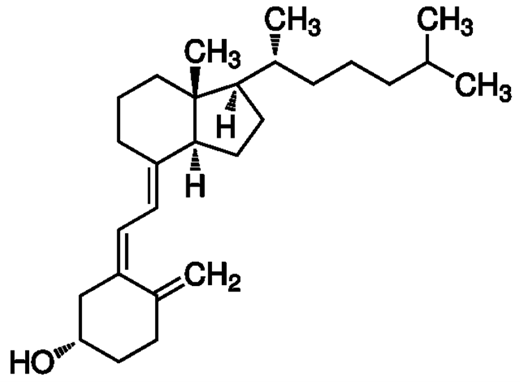
- Prepared from sheep wool wax extract
- White crystalline powder
- Melting point 84 – 87 °C
- Insoluble in water; soluble in ethyl alcohol, chloroform, acetone, diethyl ether, slightly soluble in vegetable oils
- The main form of vitamin D3, Cholecalciferol, is synthesized in the skin upon exposure to UVB in sunlight
- Vitamin D is well established as essential for maintaining the mineral balance in the body and building and maintaining healthy bones
Bones Strengthening
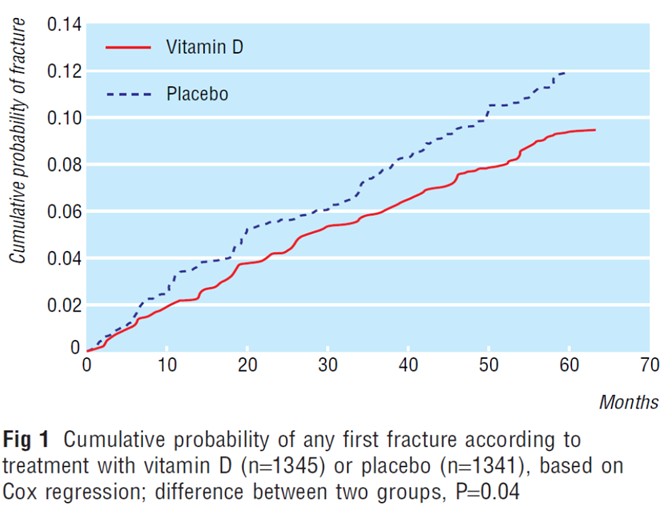
Reproduced for educational and research purposes.
Main functions of vitamin D:
- Regulation of calcium uptake, transport and bone mineralization
- Control of cell proliferation and differentiation
- Modulation of the immune system
Vitamin D physiology and deficiency
- Cholecalciferol is formed in the skin under direct sunlight. Glass or sun protection creams virtually prevent vitamin D formation in the skin.
- Studies show that if a person goes out into the mid-day summer sun in a swimsuit until the skin just begins to turn pink, it leads to the production of 10,000 to 50,000 units of Cholecalciferol in the skin. That means a few minutes in the summer sun produces 20 – 50 times more vitamin D than the amount suggested by health authorities for daily consumption as a food supplement.
- Researchers have found vitamin D receptors in tissues other than the gut and bone – particularly the brain, breast, prostate and lymphocytes. Recent research suggests the need for higher amounts of vitamin D3 in order to maintain and improve patients’ health.
- The majority of people do not synthesize sufficient quantities of vitamin D in order to meet physiological requirements. Vitamin D deficiency is widespread in the world. Additionally, researchers set the previously defined Upper Limit for safe vitamin D intake (~1000 IU/day) far too low, and current evidence shows that the physiologic requirement is much higher than earlier estimates.”.
Metabolism of Vitamin D
- After the skin produces cholecalciferol, or after it is consumed with food or as a dietary supplement, the body transports it to the liver, where the liver metabolizes it into Calcidiol 25(OH)D.. Some scientists now consider Calcidiol an active molecule with steroid hormone properties..
- The most important Calcidiol function is maintaining the blood calcium level. Another significant role of Calcidiol is to serve as a storage form of vitamin D. Calcidiol is what fills your vitamin D depository. If blood level of Calcidiol is less than 40 ng/ml, it means your warehouse is empty, and you should fill it up and keep it full unless you have one of those rare medical conditions called vitamin D hypersensitivity
Vitamin D metabolism and distribution
- After Calcidiol is formed in the liver, it follows one of two possible pathways. The first route is the most vital and has an advantage over the second route, which means that in case there is not enough Vitamin D in the body to cover both pathways, all Cholecalciferol will be used for the first route.
- The first direction leads to the kidneys, where the kidneys convert Calcidiol into Calcitriol. Calcitriol is a potent steroid hormone; in fact, it is the most potent steroid hormone in the human body.
- Calcitriol, made by the kidneys, circulates in the blood to maintain blood calcium levels. The priority for Calcidiol is to go to the kidney to provide enough Calcitriol to assure blood calcium regulation.
- The second pathway of vitamin D leads to different tissues and organs, where the body carries out additional physiological functions of Vitamin D. Moreover, research from the last 10 years links all major newly identified health benefits of vitamin D to this pathway.
- If the amount of Vitamin D exceeds the requirement of the first route, all the remaining amount will go to the second pathway and reach different tissues and cells. There are the autocrine (inside the cell) and paracrine (around the cell) functions of vitamin D. These physiological findings are essential for understanding the necessity of a proper level of vitamin D.
EMULVIT-D Nanoemulsion: Product Highlights
- Highly concentrated (20,000 units/ml)
- Convenient dosage form
- Pleasant taste
- Fast and complete absorption
- Easy dose selection and adjustment
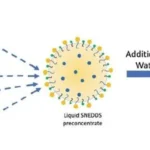
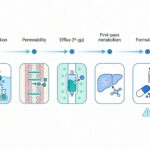
Emulvit‑D incorporates cholecalciferol into extremely small nanoemulsion droplets, and the body absorbs these droplets effectively in the mouth and stomach. It allows for avoiding losses and degradation of the molecule in the gastrointestinal tract, and the vitamin reaches the liver much faster than traditional crystalline or oily formulations.
Emulvit-D nanoemulsion demonstrated a visible improvement of skin conditions and effectively decreased winter depression symptoms after oral administration.
- High-tech product
- Genuine nanoemulsion
- Advanced technology allows the preparation of nanoemulsions without excess energy
- Stable and scalable product
- Contains natural vitamins and antioxidants
- Based on pharmaceutical-grade excipients
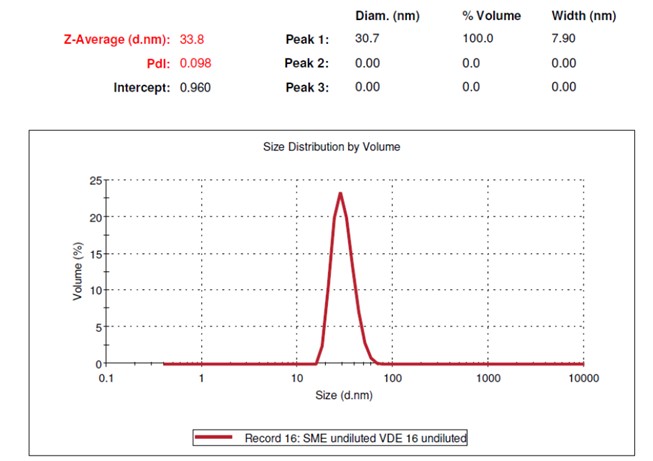
Particle size distribution of Vitamin D3 nanoemulsion
EMULVIT-D
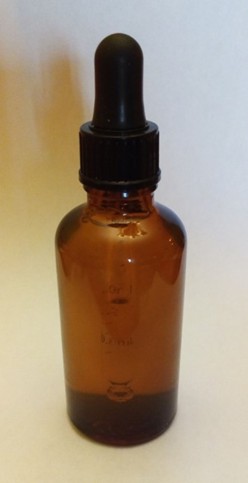
- Active ingredients: Vitamin D3 (Cholecalciferol) 20,000 IU/ml
- Other ingredients: Pepermint oil, Vitamin E, Fractionated coconut oil, Lecithin, Grain alcohol, Non-ionic surfactants (Plant origin), Potassium sorbate, Citric acid, Sodium citrate, Sorbitol, Purified water.
For additional research insights, see the R&D section, and visit the legacy archive for earlier formulations and historical materials.
For additional scientific context on vitamin D metabolism and its physiological pathways, see the review published on PubMed Central.