This is where formulation science and bioavailability come together. Instead of changing the drug itself, scientists change how it’s delivered.
1. Improving solubility in formulation science
Formulation techniques can:
- Break compounds into ultra-small particles
- Attach them to drug carriers
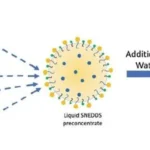
- Use special solvents or lipid systems
This helps the compound stay dissolved long enough to be absorbed.
In modern formulation science for bioavailability, improving solubility is often the first step.
2. Protecting the compound
Coatings and encapsulation can:
- Shield the compound from stomach acid
- Prevent early degradation
- Release it only when it reaches the intestine
Think of it as protective packaging.
3. Helping it cross biological barriers
Some formulations:
- Mimic natural fats to “sneak” through absorption pathways
- Use transport systems the body already recognizes
This increases how much crosses the intestinal wall.
4. Reducing first-pass loss
Advanced delivery systems can:
- Slow absorption so metabolism is less aggressive
- Redirect absorption into pathways that partially bypass the liver
Result: more active compound reaches circulation.
5. Making dosing more predictable
Better bioavailability doesn’t just mean “more drug” — it means:
- More consistent blood levels
- Less variability between patients
- Fewer side effects from overdosing to compensate for poor absorption
Why formulation science matters for bioavailability
From a pharmaceutical expert’s perspective, bioavailability affects:
- Whether a drug works at all
- How much drug is needed
- How safe and reliable the therapy is
Two products with the same active ingredient can perform very differently purely because of formulation.
Bottom line
Bioavailability is about which part of what you take actually works. Some compounds struggle because the body blocks, destroys, or expels them.
Modern formulation science doesn’t fight the body head-on — it works with biology to help compounds survive the journey and reach their target.
For a foundational explanation of oral bioavailability, drug absorption, and the barriers that limit absorption, see our companion article on bioavailability basics.
For a more detailed scientific overview of bioavailability, gastrointestinal absorption, and related ADME concepts, see the article on Wikipedia.
For readers who want deeper context on formulation science, absorption barriers, and strategies for improving oral drug delivery, our RD Blog covers these topics in greater detail.